Famous Games That Changed After Playtesting (And What It Fixed)
From Halo 3's public beta to BioShock's playtest respawns: famous games that changed after testing and the lessons small studios can borrow.
The version of a game you finally play is rarely the version that existed two years earlier. Whole systems get rebuilt, weapons get retuned and sometimes a basic comfort feature exists only because a room full of testers kept getting lost or dying unfairly. Game history is full of these moments and the well documented ones all point the same direction: testing didn't polish the game, it shaped it.
Here are the famous cases worth knowing, drawn from developer updates and interviews over the years, plus what small teams can steal from each one.
Halo 3: what did a two week beta change?
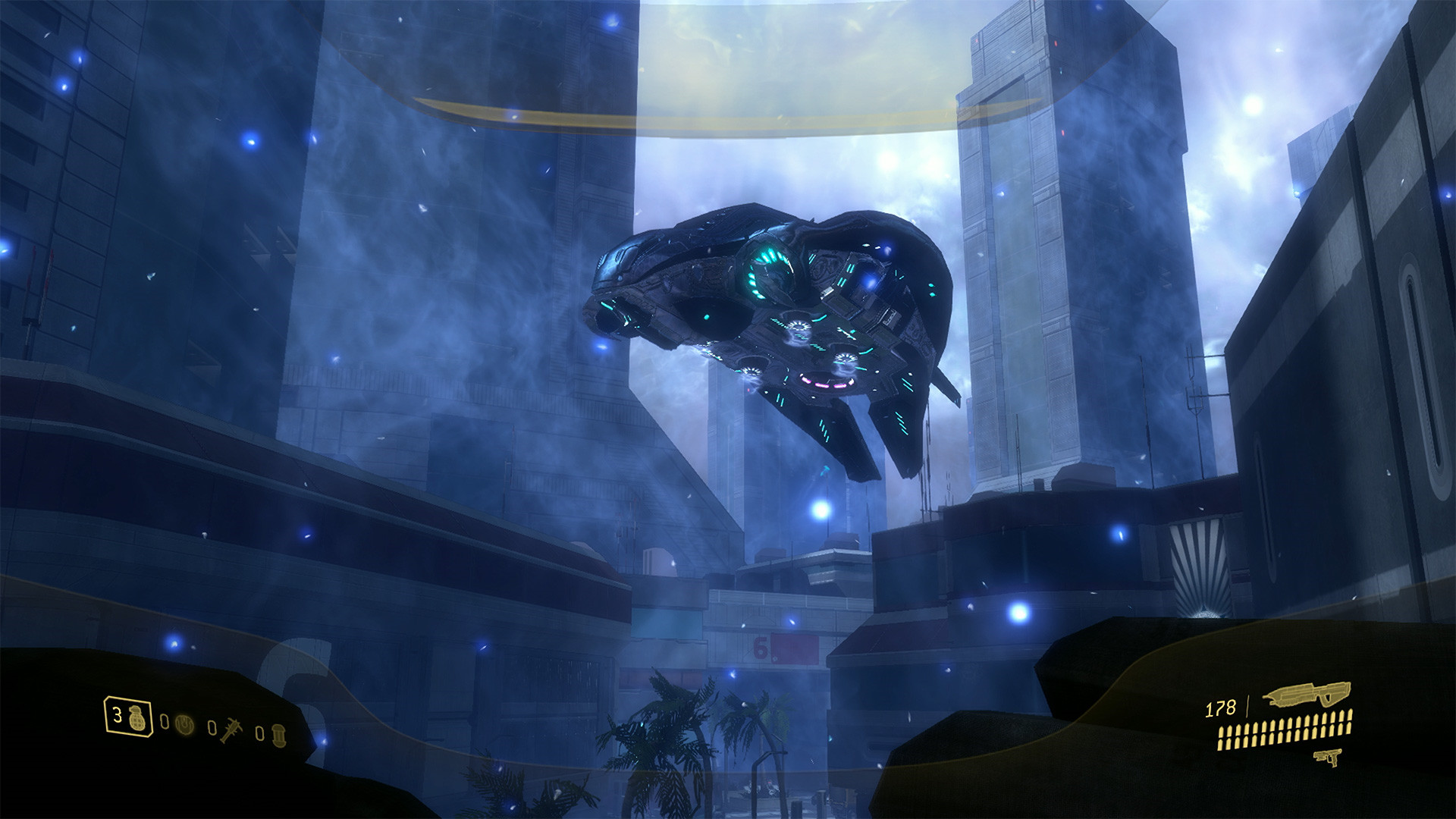
In May 2007, Bungie opened a public beta of Halo 3 to anyone who owned Crackdown and millions played it. The point wasn't marketing alone. Bungie collected match data and forum feedback for months and made weapon balance and matchmaking adjustments before the September launch, a process they documented openly in their weekly updates at the time. A sequel with enormous confidence still treated public testing as mandatory homework. The lesson generalizes uncomfortably well: the more sure you feel, the more valuable an outside opinion becomes.
Overwatch: why did Blizzard extend its own beta?
Overwatch's open beta in 2016 pulled in millions of players, so many that Blizzard extended it by several days. Developer updates before launch credited the beta with balance tuning and adjustments to maps and modes. The interesting part is the philosophy: Blizzard treated the beta as both a load test and a design instrument, watching what players actually did rather than what the design said they'd do. At that scale, every hero tweak was informed by millions of matches of evidence, not by one designer's hunch.
BioShock: how did playtests reshape Rapture?
BioShock is remembered as an artistic landmark, which makes its testing story more surprising. Ken Levine has spoken over the years about how much the game shifted through iteration and observation. Playtests showed players getting lost in Rapture's corridors and the team added guidance to keep people oriented. Death was punishing enough that players gave up, so the team added the Vita Chambers respawn system, letting players continue without losing their place in the world. Neither feature came from inspiration. Both came from watching real people bounce off the game and responding.
Halo Infinite: what did flight tests fix before launch?
Before Halo Infinite's 2021 multiplayer launch, 343 Industries ran "flight tests," limited public previews with invited and opted in players. The feedback was blunt about the battle pass: progression felt too grindy and too tied to hard challenges. 343 responded publicly, adjusting progression so playing matches earned XP and challenges became swappable before day one. The detail worth noticing: the shooting was fine. What testing caught was a meta system, the layer around the game, which is exactly the layer developers test least and players feel most.
Splatoon: why did Nintendo run timed testfires?
Before Splatoon's 2015 launch, Nintendo ran the Global Testfire: short, scheduled windows where anyone could play restricted online matches. The design was unusual (sessions of an hour or so, repeated over a few weeks) and its primary job was stress testing Nintendo's first major online infrastructure on Wii U, alongside early balance feedback. Nintendo is famously protective of its builds and it still chose to expose the game publicly before launch. When even the most cautious company on earth opens the doors early, that tells you something about the math.
Sea of Thieves: what did years of insiders do?
Rare ran its Sea of Thieves Insider Programme for a long stretch before the game's 2018 launch, shipping regular builds to a large opt in community and publishing steady dev updates responding to what they saw. Pacing, clarity, combat feel: the feedback loop ran long enough to influence the game's actual shape rather than just its final polish. The model differs from a weekend beta. For a game built to be played for years, testing that also runs for years matches the product's real life better.
Team Fortress 2: what happens when playtesting becomes culture?
Valve's habit of weekly internal playtests is one of the better documented rituals in game development and Team Fortress 2 shows what a long exposure to it produces. The game spent years in development and changed identity along the way, from a more realistic military team shooter shown publicly in the late nineties to the stylized, comedic class game that shipped in 2007. Watching people play drove that evolution. The lesson isn't "copy TF2's art." It's that a studio which tests constantly stops defending its plans and starts following evidence.
What happens when broad testing gets skipped?
The counterexamples are public too. Cyberpunk 2077's December 2020 launch, particularly on older consoles, became one of the most widely reported quality failures in the industry's history and the absence of broad external validation on those platforms before release is a lesson the industry has cited ever since. No Man's Sky launched narrow in 2016 and spent years of feedback driven updates rebuilding player trust. Neither story is about a lack of talent. They're about what happens when the feedback arrives after launch instead of before it.
What can small games take from this?
Big studio stories translate surprisingly well, because the principles are budget independent:
- Test earlier than feels comfortable; BioShock's fixes worked because they happened before shipping, not after.
- Test the boring layers: onboarding, saves, progression systems, menus. Players feel these as much as core mechanics.
- A long, small group of engaged testers beats a short, huge wave of tourists, especially for games meant to be lived in.
- Feedback needs triage. Every comment is data, not every comment is a change order.
- Budget time to act on what you learn. An unused playtest is just an expensive compliment.
None of these studios were saved by luck. They were saved by exposure, early and repeated, to real players.
If you're building a game and this list made you a little nervous about your own launch, that's the useful kind of nerves. Studios read this blog too and the testers here would rather find your problems now than watch players find them in a review. Submit your game at https://playtestquest.com/submit-game and put a real playtest cohort in front of it before the world does it for you.